

Injection molding continues evolving rapidly in 2025 as manufacturers integrate smarter automation, improved material science, and more efficient cooling and monitoring systems. These innovations help factories produce complex parts with higher accuracy, lower waste, and shorter cycle times. While the fundamentals of injection molding have remained stable, the technology surrounding the process has made production far more intelligent and adaptable.
One of the biggest changes in 2025 is the rise of AI-supported process optimization. Machines now run with predictive algorithms that adjust injection pressure, melt flow, cooling duration, and clamp force based on real-time data. Instead of an operator manually correcting variations, AI systems detect inconsistencies immediately and correct them before they affect product quality. This improves part repeatability and significantly reduces scrap rates.
Smart sensors inside modern molding machines give engineers deeper visibility into barrel temperature, plastic viscosity, mold temperature balance, and cooling channel efficiency. This sensor-driven production helps companies maintain stable cycles even when material batches vary slightly or environmental conditions change.
Energy efficiency also plays a larger role in 2025. Many factories are now using all-electric machines, which consume far less energy than hydraulic models and deliver stronger precision for multi-cavity molding. Optimized servo motors, variable-speed pumps, and insulated hot runner systems reduce waste heat and keep energy usage predictable.
Materials are evolving as well. Manufacturers increasingly rely on engineered resins that resist heat, stress, and chemicals, allowing plastic components to replace metals in automotive and industrial applications. Recycled and bio-based materials are more stable and easier to mold thanks to drying systems and additives that enhance flow behavior.
Tooling continues to experience major advancements. Conformal cooling—created through metal 3D printing—allows coolant to travel through complex paths, reducing cooling time and warpage. In addition, mold design software simulates the entire flow pattern before tooling begins, helping engineers detect air traps, weld lines, or uneven shrinkage early in the process.
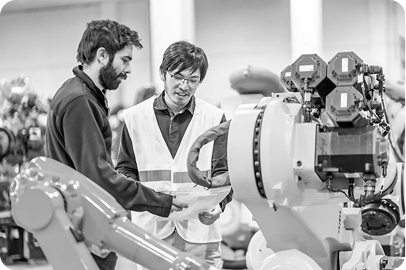
Automation also reshapes the production floor in 2025. Robotics now handle insert placement, part ejection, trimming, sorting, and packaging. Automated optical inspection systems compare each molded part against digital models, reducing reliance on manual quality checks and ensuring high accuracy at scale.
The combination of these tools and technologies makes injection molding more predictable, efficient, and cost-effective. As industries continue demanding lighter, stronger, and more complex products, the innovations emerging in 2025 position injection molding as a leader in modern manufacturing.