

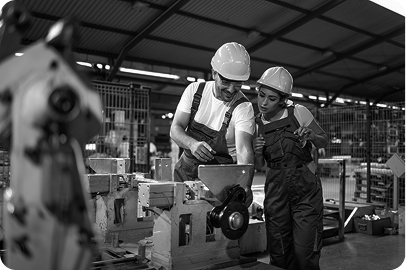
Sustainable manufacturing has become a central focus across all industries, and blow molding facilities are evolving rapidly to meet new environmental standards. Companies are moving beyond traditional production methods and introducing cleaner, smarter, and more material-efficient practices. Blow molding naturally supports sustainability because it produces lightweight, recyclable products—but in recent years, the process has grown even more efficient through improved machinery, optimized material selection, and intelligent waste-reduction systems.
One of the most important changes in modern blow molding is the increasing use of recycled and post-consumer resin. Manufacturers have developed new ways to improve the flow quality and consistency of recycled materials, allowing them to mold high-strength bottles, tanks, and technical parts without performance loss. Blending virgin and recycled resin allows companies to reduce raw material usage and lower environmental footprint while maintaining structural durability.
Energy-efficient machinery is another pillar of sustainable production. Modern blow molding machines include variable-speed motors, optimized heating profiles, and intelligent cooling systems that use significantly less power. Infrared heating units help reduce warm-up time, while improved insulation keeps barrel temperatures stable with less electricity. Over time, these upgrades reduce carbon emissions and operational costs for manufacturers.
Material lightweighting is also a major strategy. Engineers now design parts that use less plastic while still meeting performance requirements. Advanced simulation software allows teams to model wall thickness, stress points, and pressure distribution before production starts. This ensures parts are strong enough while avoiding unnecessary material use.
Waste reduction is becoming more structured in blow molding facilities. Real-time sensors monitor parison thickness, clamp pressure, and mold alignment to prevent defects early in the cycle. Automated trim recycling systems send scrap directly back to the grinder, where it reenters the production line as regrind. This closed-loop approach significantly reduces landfill waste and saves raw material costs.
In addition to equipment changes, sustainable manufacturing practices extend into packaging and logistics. Lightweight blow-molded products reduce shipping weight, resulting in lower fuel consumption during transport. Manufacturers also redesign container shapes to maximize pallet efficiency, reducing the number of shipments needed.
Together, these advancements show how blow molding plays a vital role in modern sustainability goals. By focusing on recycled materials, energy efficiency, optimized part design, and waste reduction, manufacturers are building cleaner production ecosystems without sacrificing performance or reliability.