

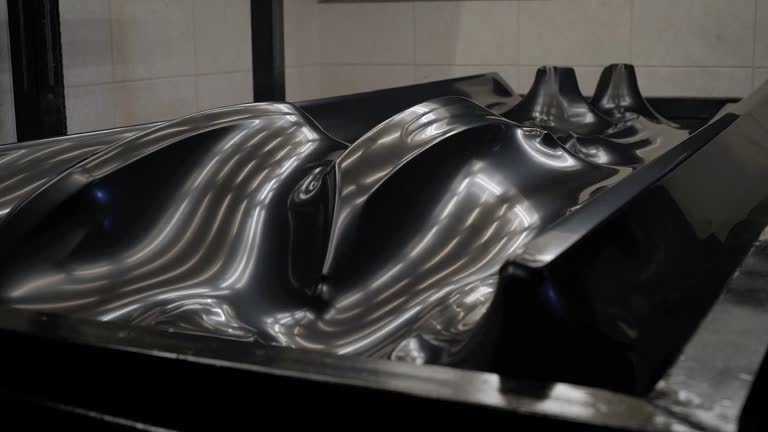
Selecting the right plastic manufacturing process is one of the most important decisions in product development. Injection molding, blow molding, thermoforming, and overmolding each offer unique strengths. Choosing the correct method ensures efficiency, cost-effectiveness, and high-quality results.
Injection molding is ideal for high-volume production with complex geometries and tight tolerances. The process supports a wide variety of engineered materials and delivers exceptional repeatability. Products such as enclosures, automotive clips, and consumer electronics often rely on injection molding.
Blow molding excels in producing hollow components like bottles, tanks, ducts, and containers. It is efficient, cost-effective, and supports recycled materials, making it popular in packaging and industrial applications.
Thermoforming is well-suited for large components, mid-volume runs, or parts requiring attractive surface finishes. Tooling costs are lower, and the process adapts easily to design changes.
Overmolding and insert molding combine materials to improve durability, ergonomics, and structural performance. These processes reduce assembly steps and improve part reliability.
Each process plays a key role in modern manufacturing, and understanding their strengths helps companies make informed, cost-effective decisions.